
-
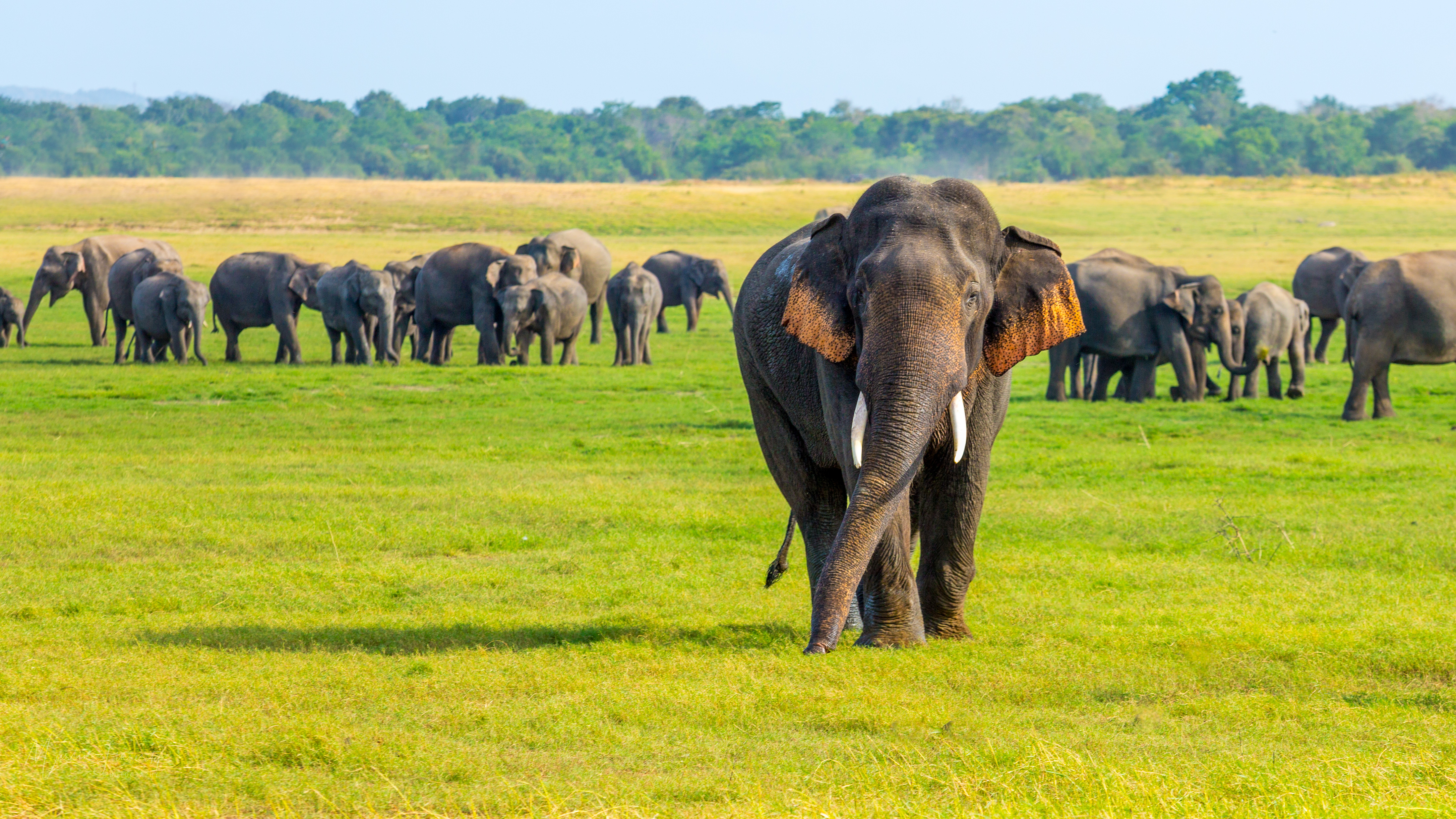 Wildlife Safaris: Into the Untamed Wilderness
Sri Lanka’s national parks offer some of Asia’s most intimate wildlife encounters. Embark on a thrilling 4x4 safari through Yala National Park, home to the highest leopard density in the world, or explore Udawalawe, famous for large herds of elephants freely roaming the grasslands. In Wilpattu, massive “villus” (natural lakes) draw in sloth bears, crocodiles, and rare bird species. Morning and late afternoon safaris offer the best light and chances to spot animals when they’re most active. Many parks also support conservation projects, so your visit directly contributes to protecting endangered species.
Best time to visit
● Yala & Udawalawe: February to July (dry season, best animal visibility).
● Wilpattu: May to September is ideal.
● Year-round safaris are possible with varying wildlife activity across regions.
Pro tip:
Pack binoculars, a wide-brimmed hat, and a silent camera shutter — it’s a jungle out there. -
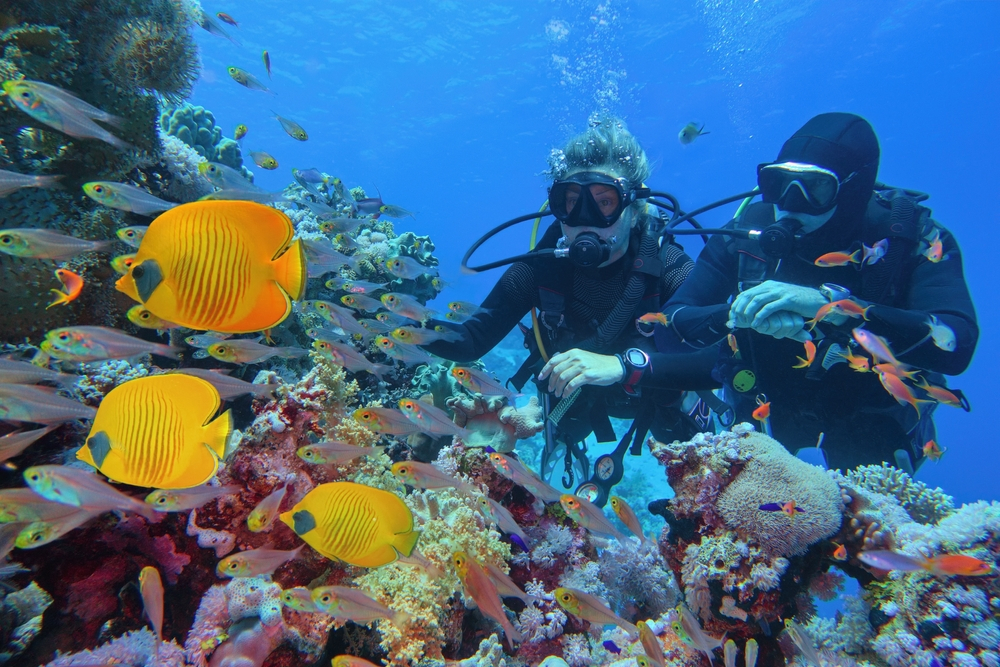 Diving: Explore Sri Lanka’s Underwater Treasures
For scuba divers, Sri Lanka offers coral reefs, shipwrecks, underwater caves, and abundant marine life. The Galle Shipwrecks, Bar Reef (Kalpitiya), and Batticaloa’s HMS Hermes (a WWII aircraft carrier) are popular among seasoned divers. For coral diversity, Trincomalee’s Swami Rock is legendary. Most dive centres offer PADI courses for beginners and advanced expeditions for certified divers. The visibility and sea conditions shift seasonally depending on the coast.
Best time to dive:
● South & West: November to April
● East Coast: May to September
Pro tip:
Dive in pairs, check for seasonal currents, and go with certified guides who know the reef terrain. -
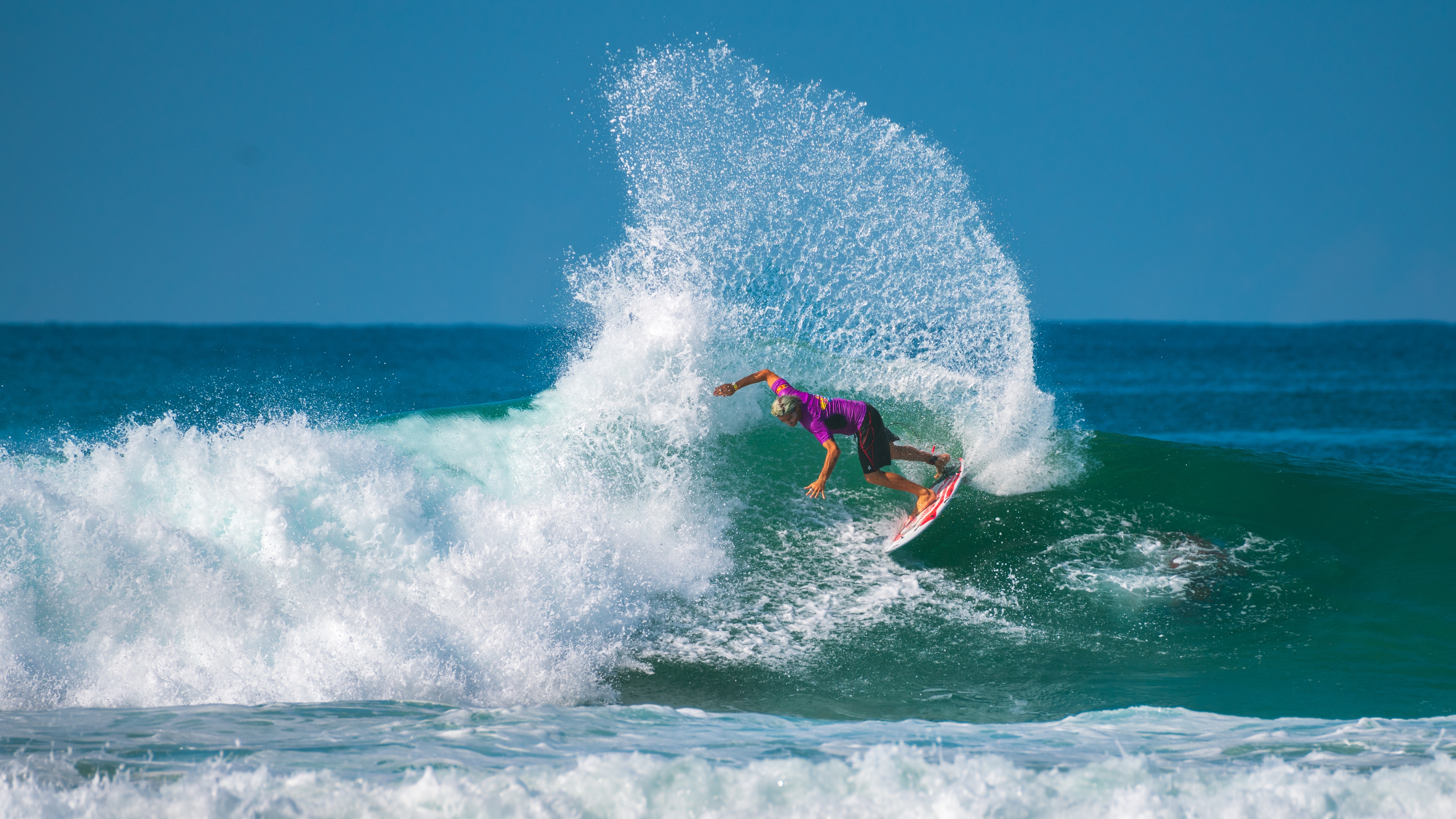 Surfing: Ride the Island’s Rhythm
Sri Lanka has risen as a global surf haven — from beginner-friendly Weligama to the world-class barrels of Arugam Bay, surfers of every level find their wave. With warm water year-round and friendly beach vibes, this is a top destination for a laid-back surf holiday. Surf schools and rentals are widely available, with instructors who know how to guide you into the perfect ride, especially if it’s your first time on a board.
Best surf seasons:
● South/West coast (Weligama, Hikkaduwa): November to April
● East coast (Arugam Bay): May to September
Pro tip:
Dawn sessions are less crowded and have the cleanest waves. Post-surf, enjoy a fresh coconut or chill with reggae tunes by the beach. -
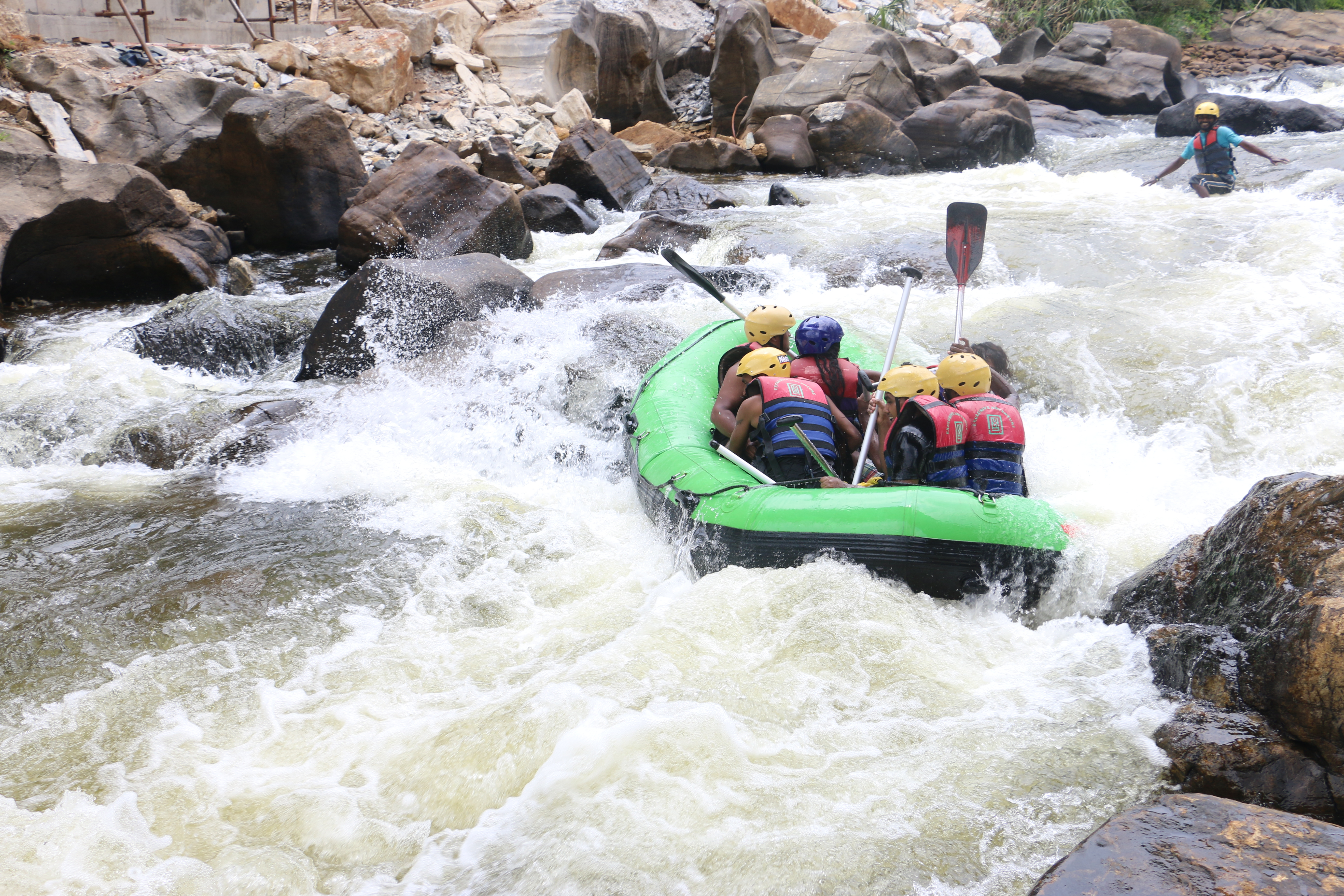 White Water Rafting: Ride the Rapids
Head to Kitulgala, the white-water capital of Sri Lanka, for fast-paced action on the Kelani River. Rapids range from Class II to IV, depending on rainfall — great for groups, team-building, or family fun (with safety helmets and trained guides, of course). The backdrop is cinematic — Kitulgala was the filming location for “The Bridge on the River Kwai” — and after the splash, enjoy a riverside lunch or jump into a natural rock pool.
Best rafting season:
● May to December (higher rainfall = better rapids)
● January to April offers gentler rafting, perfect for beginners or kids.
Pro tip:
Bring a change of clothes, and keep electronics in dry bags or lockers. -
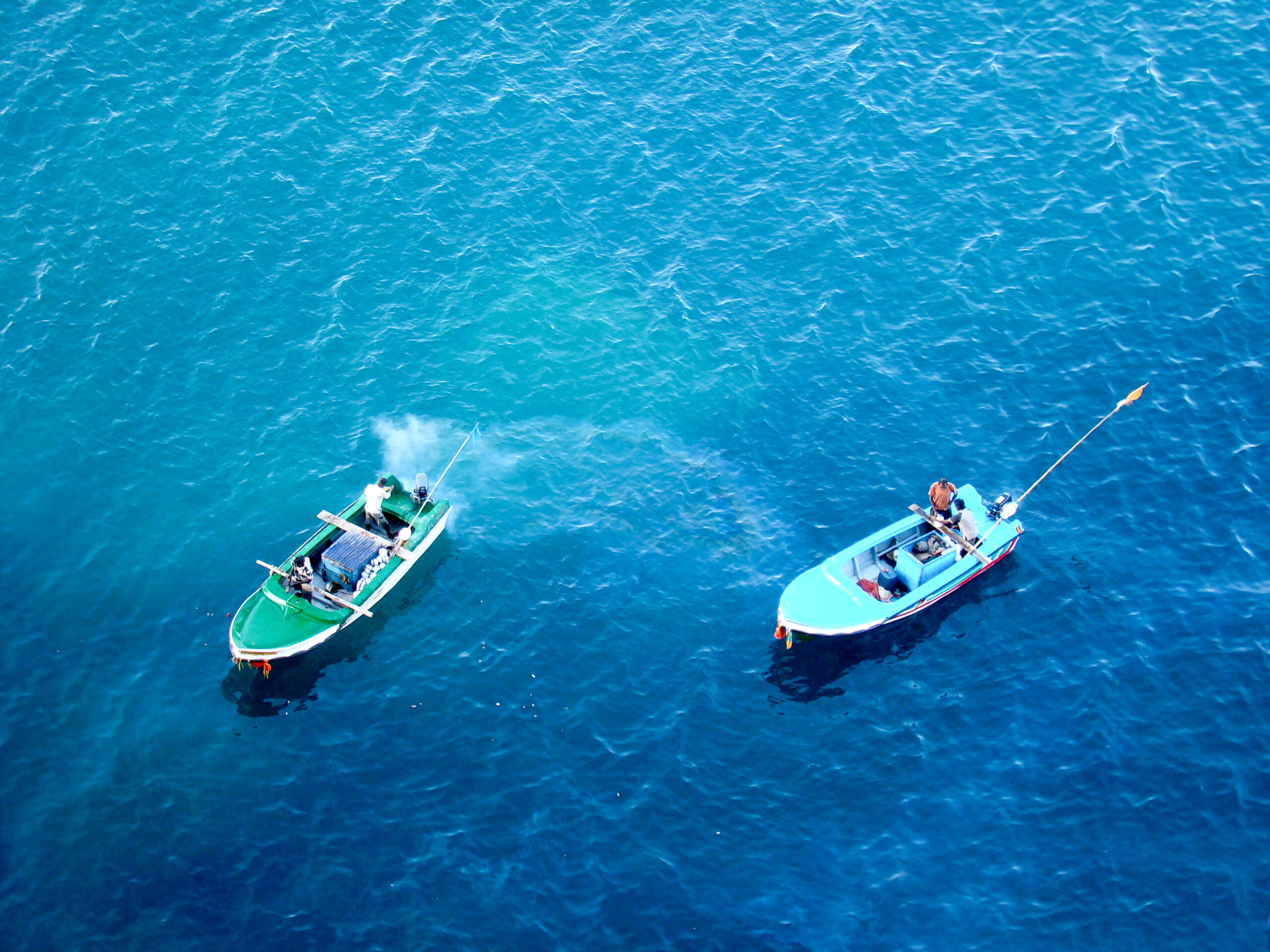 Fishing & Deep Sea Fishing: Cast Away in Paradise
From traditional rod fishing on a lagoon to deep-sea angling in the Indian Ocean, Sri Lanka caters to the calm and the competitive fisherman. Sail off from Mirissa, Negombo or Trincomalee to catch tuna, barracuda, and even sailfish — depending on the season. Operators provide gear, bait, safety jackets, and refreshments, often with early morning departures and sunset returns. Lagoon fishing or joining local stilt fishermen gives a cultural twist to your catch.
Best fishing windows:
● South/West Coast: November to April
● East Coast: May to September
Pro tip:
Charter boats early, especially during peak season. Some trips even let you BBQ your catch on board. -
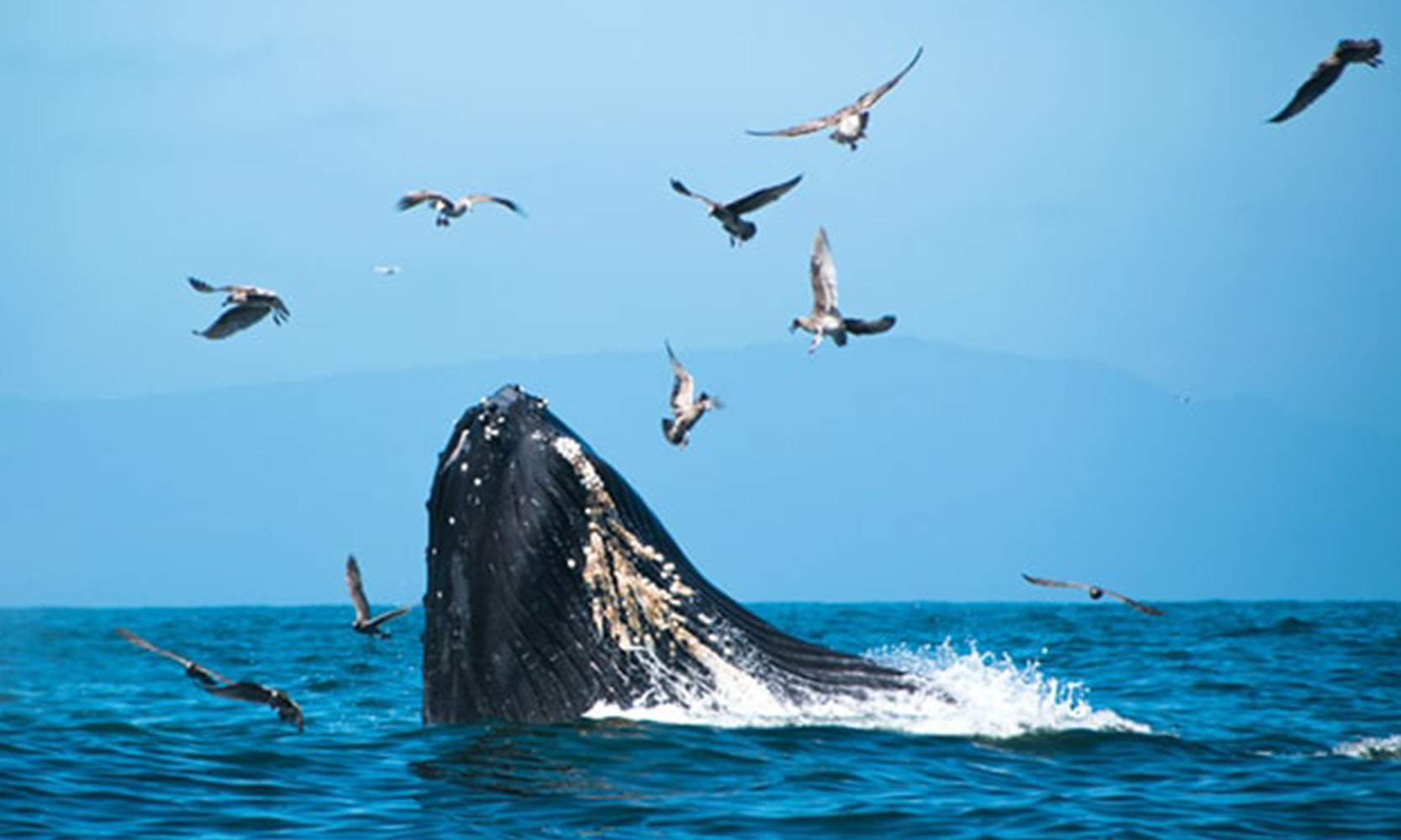 Whale & Dolphin watching
Sri Lanka is one of the world’s best destinations for whale watching, especially for seeing blue whales, the planet’s largest animals. From Mirissa (south) or Trincomalee/Kalpitiya (east), take a morning boat trip to witness whales breaching and pods of dolphins dancing in your wake. Tours are eco-certified, with expert spotters and marine biologists often onboard. Expect 3–5 hour trips starting just after dawn.
Primetime:
● South (Mirissa): November to April
● East (Trincomalee): May to September
Pro tip:
Go early morning for calm seas and more sightings. Bring sea-sickness tablets just in case — and a zoom lens for incredible shots.
-
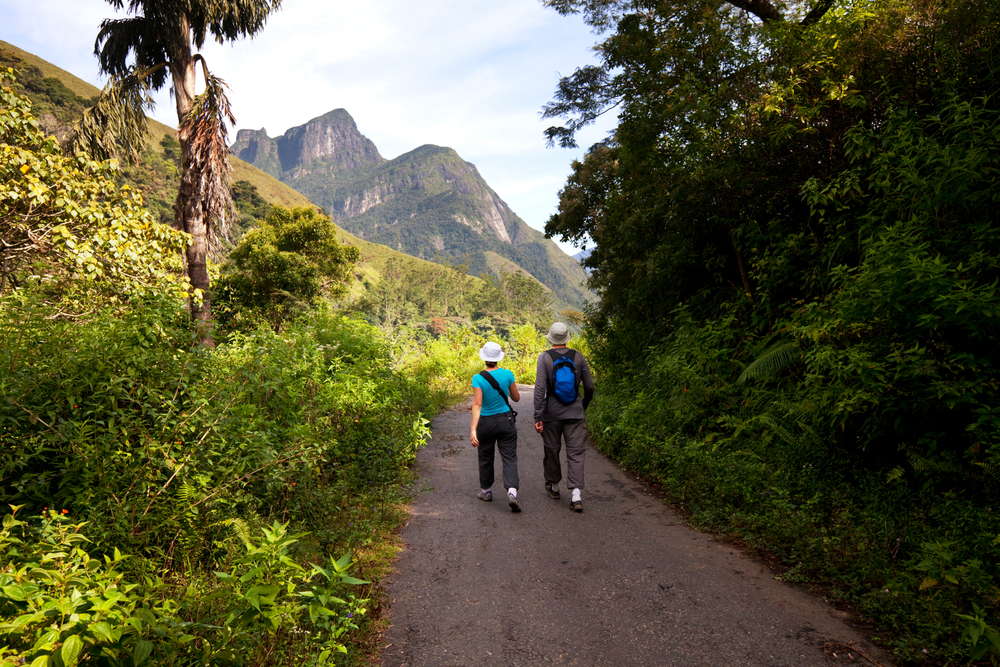 Explore the unspoiled wilderness of Sri Lanka on foot, where each trail tells a story — from ancient pilgrimages to tea-planted ridges. Hiking here isn’t just about the destination; it’s the journey through misty mountains, verdant valleys, and culturally rich terrain. Popular trails include the Horton Plains trek to World’s End, where a dramatic cliff drops into a sea of clouds, and the sacred Adam’s Peak climb, a spiritual ascent with thousands of twinkling lights guiding pilgrims by night. The Knuckles Mountain Range, a UNESCO World Heritage site, offers remote trekking through cloud forests, waterfalls, and local villages untouched by time. Meanwhile, Ella’s Little Adam’s Peak and Ella Rock give panoramic views perfect for a sunrise adventure.
Hiking in Sri Lanka: Trails into the Heart of Nature
Best time to hike:
● Hill country (Ella, Nuwara Eliya, Knuckles, Horton Plains): December to April (dry season with cool temps).
● Adam’s Peak pilgrimage season: December to May, especially full moon days (poya).
Pro tip:
Start your hikes early morning for clear views, cooler temperatures, and fewer crowds. Bring layers — Sri Lanka’s mountains can surprise you with sudden chills. The Knuckles Mountain Range, a UNESCO World Heritage site, offers remote trekking through cloud forests, waterfalls, and local villages untouched by time. Meanwhile, Ella’s Little Adam’s Peak and Ella Rock give panoramic views perfect for a sunrise adventure. Best time to hike:
●Hill country (Ella, Nuwara Eliya, Knuckles, Horton Plains): December to April (dry season with cool temps).
● Adam’s Peak pilgrimage season: December to May, especially full moon days (poya). Pro tip: Start your hikes early morning for clear views, cooler temperatures, and fewer crowds. Bring layers — Sri Lanka’s mountains can surprise you with sudden chills. -
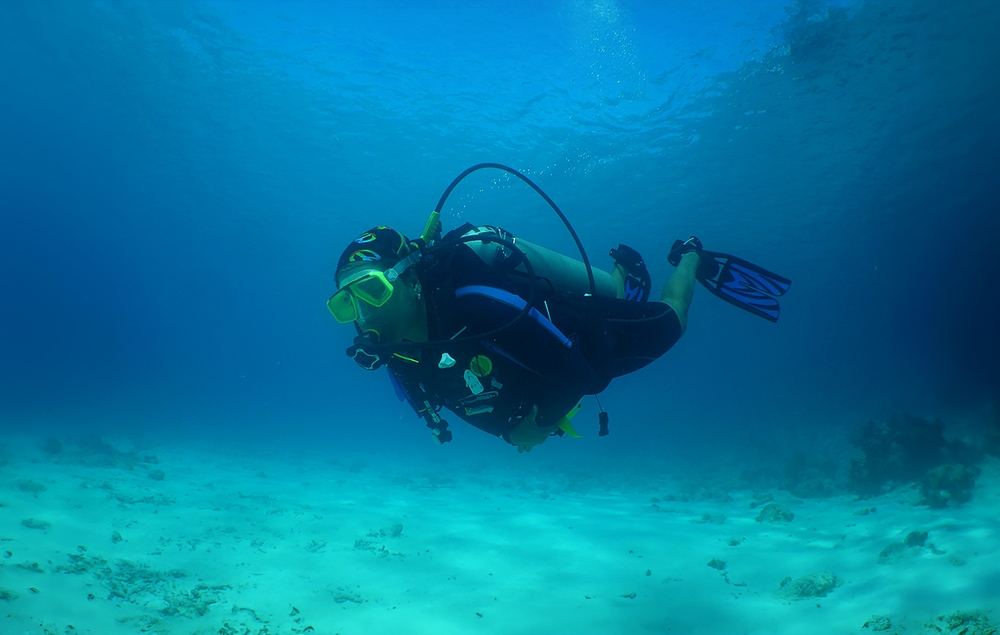 Sri Lanka’s shallow reefs are teeming with life — coral gardens, schools of tropical fish, sea turtles, and even reef sharks for the lucky. Whether you're floating off Hikkaduwa’s Marine Sanctuary or paddling around Pigeon Island near Trincomalee, the island’s waters invite you to dive into colour, calm, and biodiversity. Guided snorkelling tours ensure you’re safe and don’t harm the coral. Some beach hotels even offer snorkel gear for free, especially in reef-protected areas.
Snorkelling: A World Beneath the Surface
Best time to snorkel:
● South & West (Hikkaduwa, Unawatuna): November to April
● East coast (Trincomalee, Nilaveli): May to September
Pro tip:
Snorkel in the early morning for the calmest waters and best clarity. Always wear reef-safe sunscreen to protect marine life. -
 Paddle through placid lakes, narrow mangrove tunnels, and rural riverscapes where time stands still. Madu Ganga, with its 60+ small islands, lets you kayak past cinnamon estates, Buddhist shrines, and stilt fishermen. Koggala Lake offers birdlife, lotus blooms, and complete peace. Eco-friendly and non-intrusive, kayaking brings you eye-to-eye with nature while giving a gentle workout. Guided eco-tours often include cultural pit stops on river islands. Best time to kayak:
Kayaking: Serenity with Every Stroke
● West & South Coast: December to April
● East Coast (Batticaloa, Trincomalee): May to September
Pro tip:
Go at sunrise or sunset for cooler weather and magical golden reflections. -
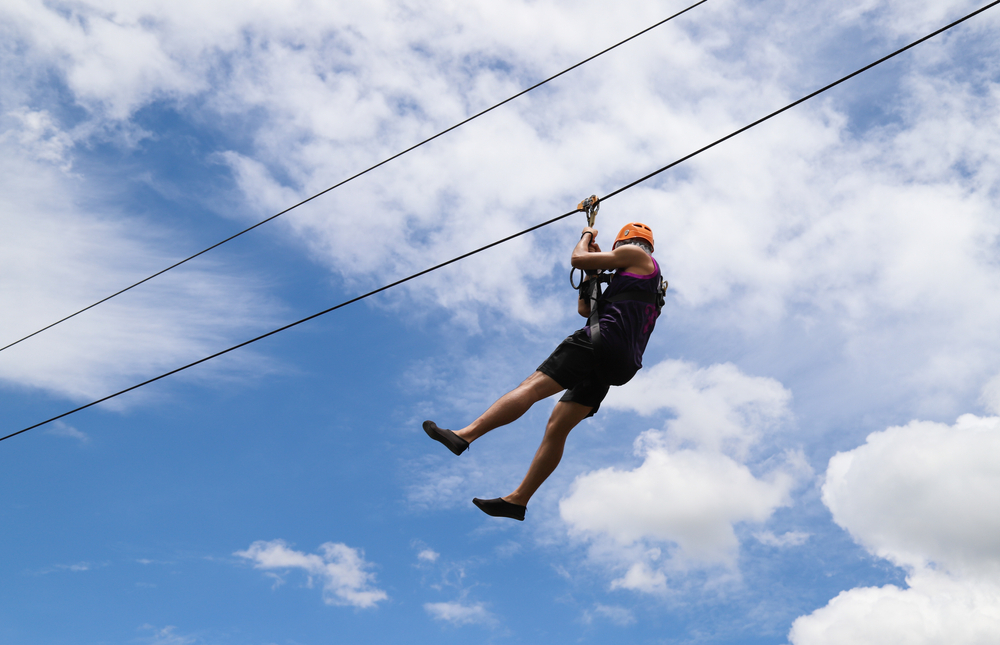 Strap in and fly like a bat — zip-lining over the tea country of Ella or rainforest valleys in Kandy is pure adrenaline. The most iconic ride is at Flying Ravana in Ella, offering 500+ metres of high-speed zip across misty hills. Safety gear is an international standard, and trained guides ensure even first-timers feel secure. Combine it with other adventure sports like ATV rides or rope swings for a full-on thrill day.
Zip-lining: Adrenaline Over the Treetops
Best time.
● Dry season in the hill country: December to April
Pro tip:
Mornings are better for visibility and fewer queues. Wear sports shoes, and secure your phone/camera. -
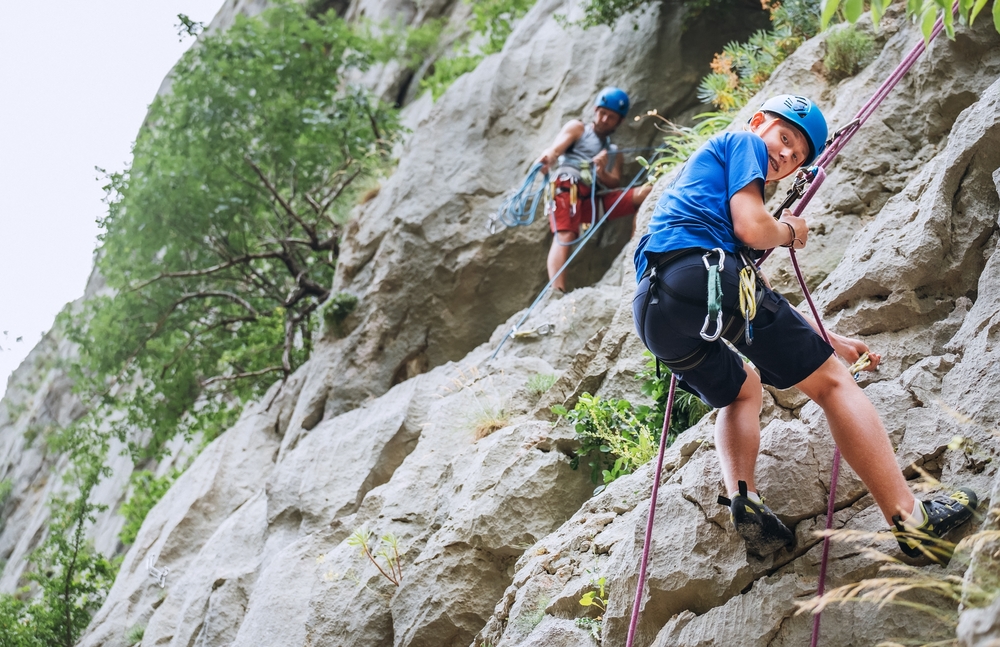 Only for the brave-hearted! Scale waterfalls and rappel down slippery rock faces at Kitulgala — the adrenaline capital. Combine this with canyoning, rock jumping, or rope swings over river gorges for the full thrill package.
Waterfall Abseiling & Rope Jump: Heart-Pounding Heights
Guides provide full gear:
helmets, ropes, harnesses, and safety briefings. It’s raw, it’s real, and it’s unforgettable. Best season:
● May to December (when waterfalls are flowing strongly)
Pro tip:
Wear tight-fitting athletic clothes and closed shoes with a grip. Avoid during or after heavy rain for safety.