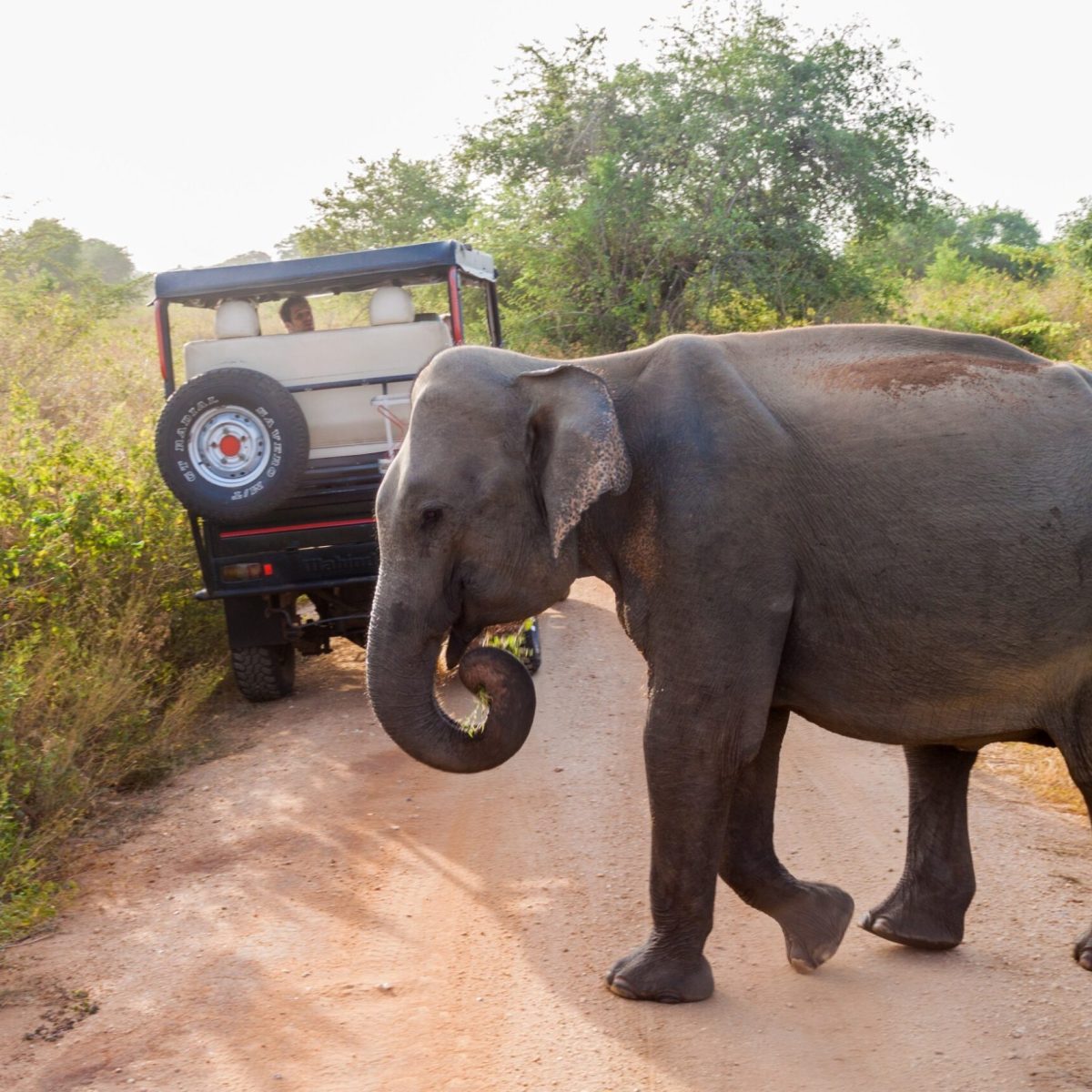
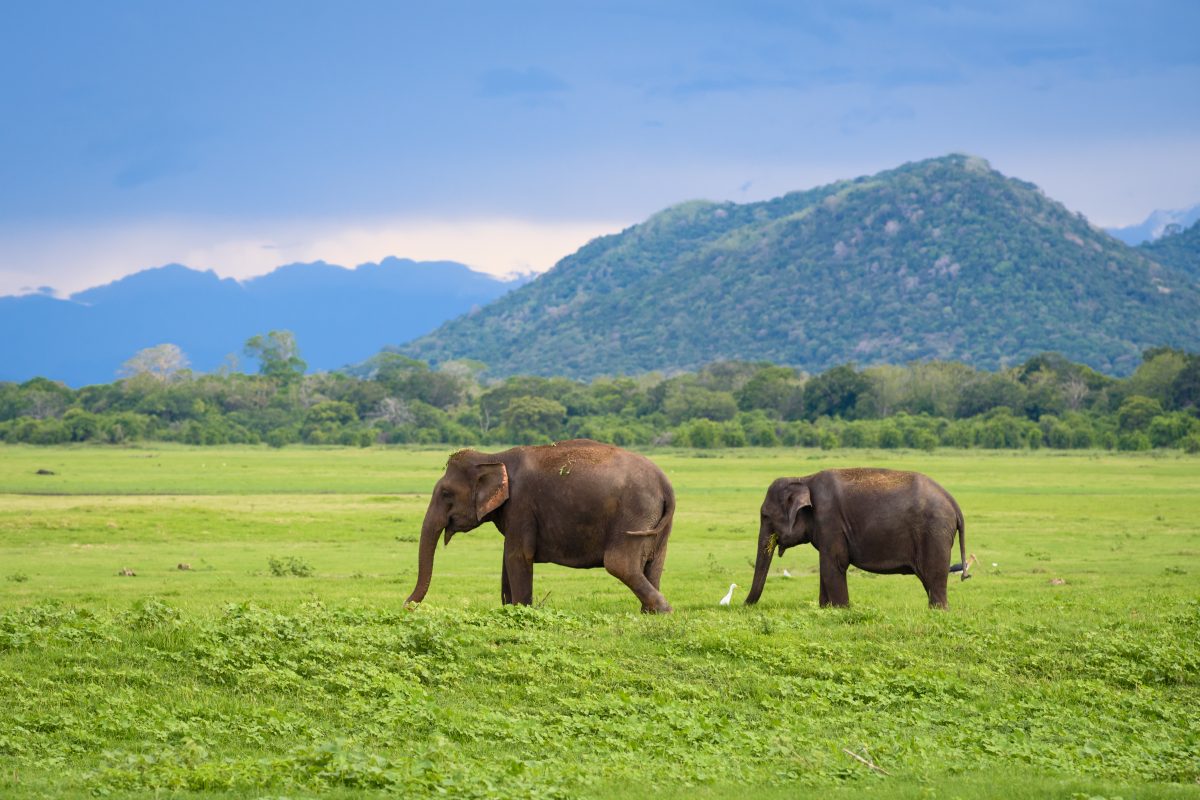
Situated in the south of Sri Lanka, Udawalawe is one of the best places in Asia to see wild elephants up close in their natural habitat.
Wildlife Highlights:
Over 600 elephants roam freely across its grasslands and reservoirs.
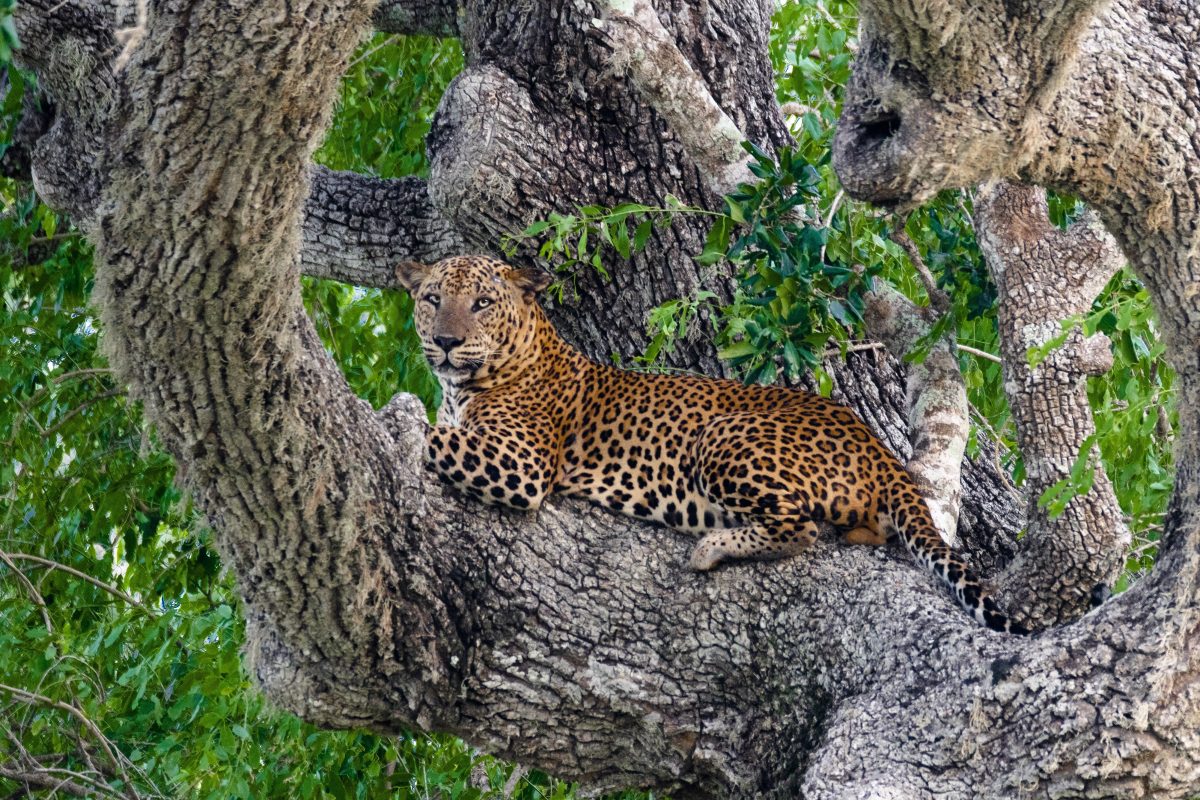
Spot water buffalo, crocodiles, monitor lizards, and occasional leopards.
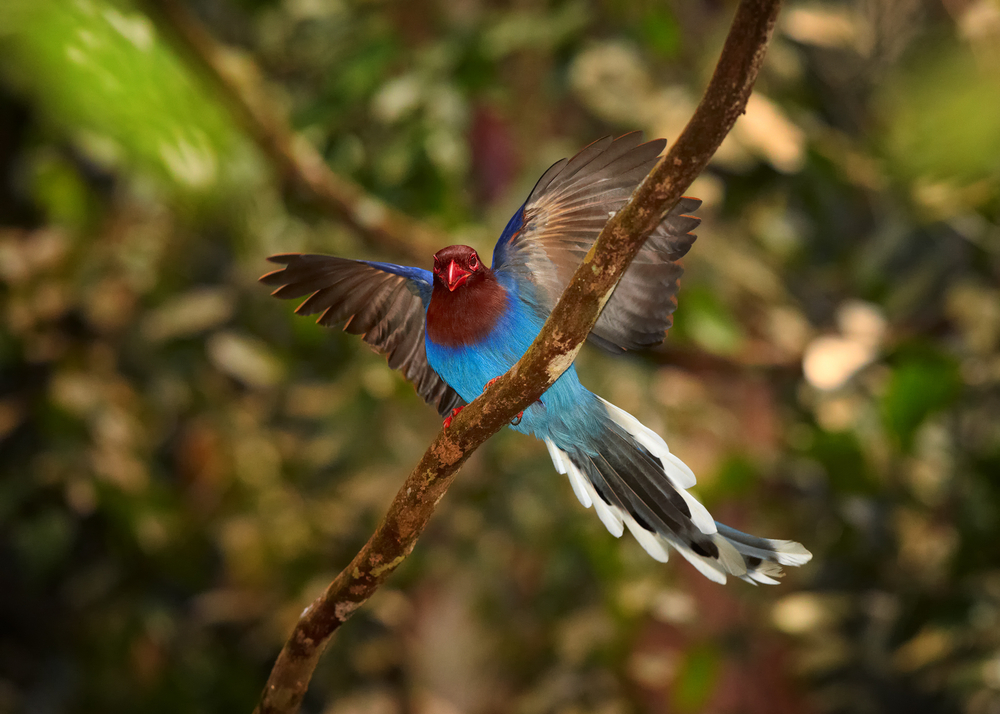
Excellent birdwatching: Look for serpent eagles, hornbills, and painted storks.
Why Visit:
Best chance to see elephants year-round — including herds with calves.
Udawalawe Elephant Transit Home nearby helps rehabilitate orphaned elephants.
Less crowded and more accessible than Yala, especially for morning safaris.
Best Time: May to September (dry season for clearer sightings)
Yala National Park
Yala, in Sri Lanka’s southeast, is the island’s most visited and most iconic wildlife park — and for good reason.
Wildlife Highlights:
Highest density of leopards in the world
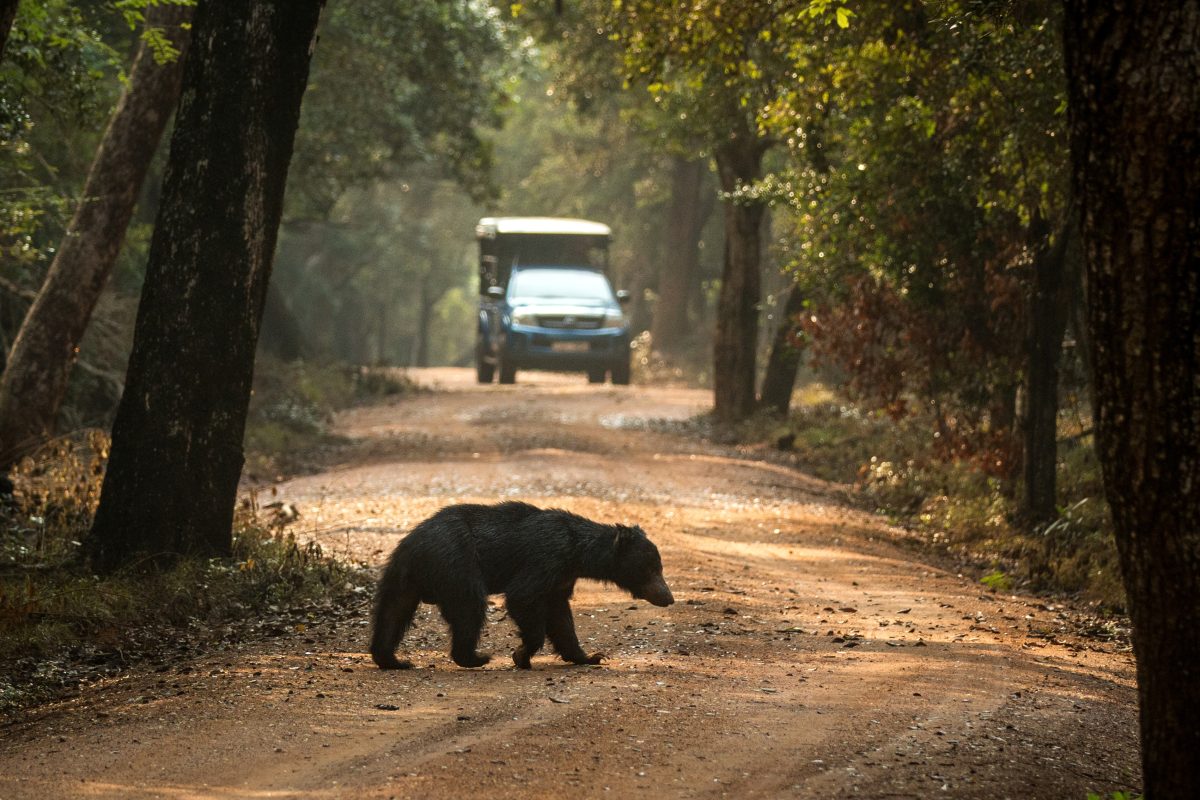
Spot elephants, sloth bears, mugger crocodiles, jackals, and Sambar deer.
Over 200 bird species, including flamboyant peacocks and rare owls.
Why Visit:
An iconic safari setting with rocky outcrops, grasslands, and lagoons.
Excellent for photographers, especially for those aiming for the big cats.
Close to Kataragama, so you can pair wildlife with spiritual exploration.
Best Time: February to July (dry season and low vegetation = clearer sightings)
Bundala National Park
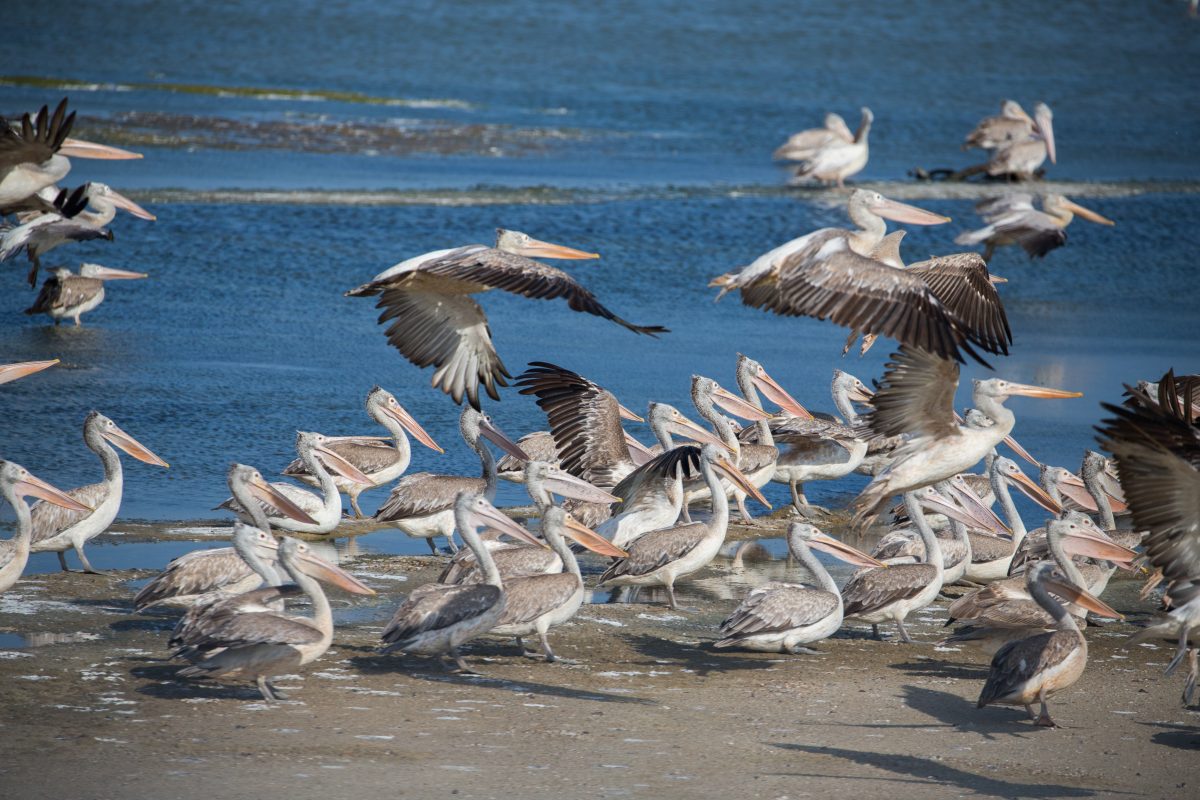
A UNESCO Biosphere Reserve located near Hambantota, Bundala is Sri Lanka’s first Ramsar wetland and one of the best spots for bird enthusiasts.
Wildlife Highlights:
Home to over 200 bird species, including greater flamingos, pelicans, and migratory stints.
Spot crocodiles, wild boars, monkeys, turtles, and monitor lizards.
Why Visit:
Great for quiet, off-the-beaten-path safaris.
A contrasting wetland landscape compared to other national parks.
Ideal for half-day safaris focused on birds and reptiles.
Best Time: September to March (peak migratory bird season)
Wilpattu National Park
The largest national park in Sri Lanka, Wilpattu lies in the island’s northwest and offers a more untouched, wilderness-style safari.
Wildlife Highlights:
Known for its elusive leopards and healthy sloth bear population.
Also features elephants, crocodiles, barking deer, and jackals.
60+ natural lakes or “villus” make this park uniquely scenic.
Why Visit:
A raw, untamed wilderness less touristy than Yala.
Excellent for longer, peaceful safaris and spotting rare creatures.
Close to Anuradhapura, ideal for combining history and wildlife.
Best Time: February to October (dry season, though wildlife is present year-round)
Minneriya National Park
Located in the Cultural Triangle, Minneriya is famed for hosting the largest seasonal gathering of wild elephants in Asia.
Wildlife Highlights:
Witness “The Gathering”: 200+ elephants around the Minneriya Tank during the dry season.
Spot spotted deer, langurs, Sri Lankan junglefowl, and civet cats.
Why Visit:
Ideal for elephant lovers and families.
Combine easily with Polonnaruwa and Sigiriya for a full cultural + wildlife combo.
Excellent photographic opportunities of large herds by the water.
Best Time: July to September (for The Gathering)
Kumana National Park
Kumana is an untouched paradise, especially for birders and solitude seekers. Its coastal lagoons and mangrove swamps host rare migratory species, creating a serene symphony of wings and wilderness.
Wildlife Highlights:
Renowned for its Kumana Villu (wetland) — nesting site for water birds and migratory species.
Spot elephants, leopards, crocodiles, wild boar, and white-bellied sea eagles.
Why Visit:
Less commercial, with a truly off-the-grid safari feel.
Close to Arugam Bay, perfect for a surf + safari itinerary.
See pilgrimage sites like Kudumbigala Monastery within park boundaries.
Best Time: April to July (nesting season), and May to September (dry season)